

Quick Links
Top Packaging Trends Shaping Global Brands in 2026
Top Packaging Trends in 2026
As sustainability regulations tighten and e-commerce continues to expand worldwide, packaging is becoming a strategic business decision rather than a simple protective solution. In 2026, global brands are increasingly prioritizing sustainable paper packaging, recyclable materials, and compliance-ready packaging systems to meet both environmental requirements and customer expectations. From custom corrugated boxes and premium rigid packaging to eco-friendly paper bags, paper-based solutions are rapidly replacing traditional plastic packaging across multiple industries.
This article explores the key packaging trends shaping 2026 and how businesses can adapt through innovative and sustainable paper packaging strategies.
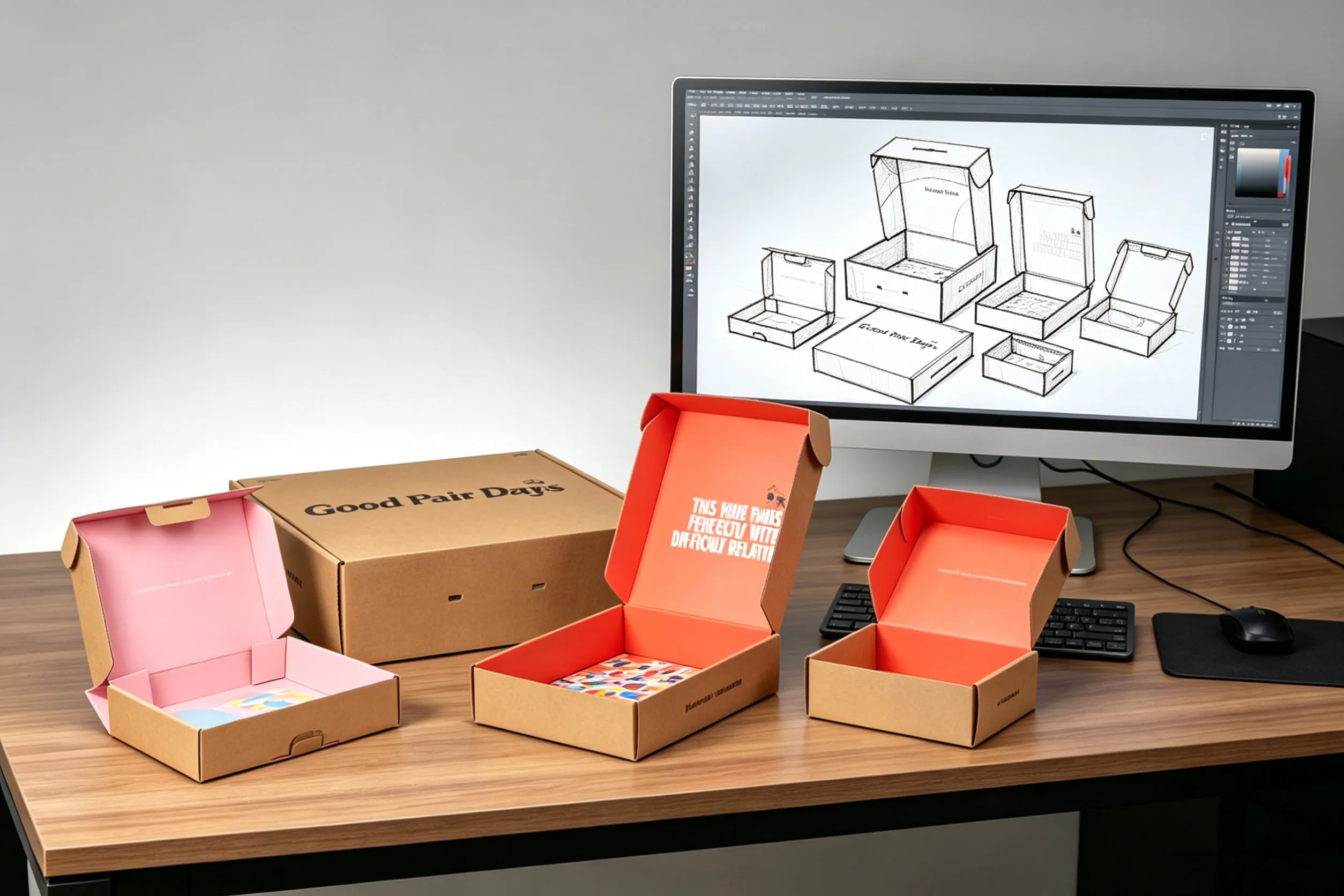
Key Packaging Directions in 2026
Core packaging shifts shaping global supply chains in 2026.
Sustainable Paper-Based Solutions
Driven by recyclability requirements and global material reduction goals, paper-based packaging continues replacing plastic alternatives.
Premium Brand Packaging
Packaging is increasingly used to enhance perceived product value and improve unboxing experience in competitive markets.
E-commerce Optimized Packaging
Logistics efficiency and cost control are becoming critical as global online retail expands rapidly.
Compliance-Driven Design
Regulations now directly influence material selection, recyclability standards, and packaging structure design.
Lightweight & Paperization Shift
Brands are reducing plastic usage and transitioning toward fiber-based alternatives across categories.
1. Sustainable Paper Packaging Becomes the New Industry Standard
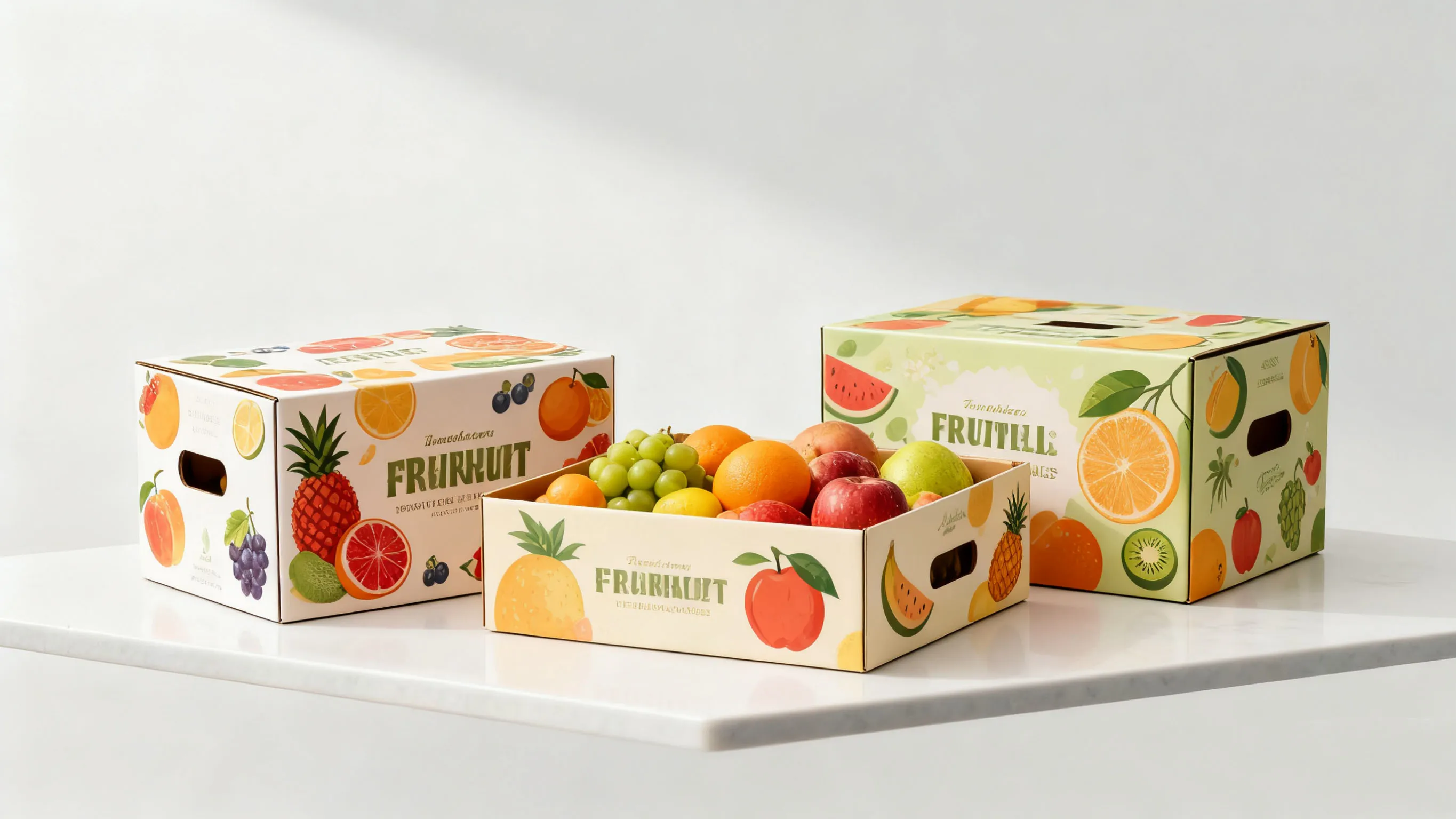
Sustainable paper packaging is no longer a niche option—it is rapidly becoming a baseline requirement across global supply chains in 2026.
This shift is being driven by three major forces:
- Regulatory pressure: Policies such as the EU PPWR and EPR systems are forcing brands to redesign packaging for recyclability and material reduction
- Retailer requirements: Global retailers and e-commerce platforms are increasingly restricting non-recyclable packaging formats
- Consumer behavior: End customers now actively prefer recyclable and plastic-free packaging, influencing brand perception and repeat purchase behavior
As a result, the packaging industry is moving from “material selection based on cost” to “material selection based on compliance and lifecycle performance.”
For brands, this means packaging decisions are no longer a downstream procurement task—they are now part of brand strategy and regulatory risk management.
👉 This is why corrugated boxes, kraft packaging, and molded fiber solutions are replacing plastic-heavy formats across multiple industries.
2. Premium Packaging Enhances Brand Experience

While sustainability is a key requirement, premium packaging has become a strategic branding tool rather than a visual enhancement alone.
In 2026, brands are using packaging not only to protect products, but also to communicate brand positioning, perceived value, and customer experience quality.
This shift is driven by:
- Intensifying competition in retail and e-commerce, where first impressions strongly influence conversion rates
- Rising consumer expectations for unboxing experiences, especially in cosmetics, fashion, and luxury goods
- Brand differentiation pressure, as product functionality alone is no longer enough in saturated markets
Common premium packaging techniques include:
These enhancements improve perceived value and create memorable unboxing experiences that strengthen brand loyalty.
3. E-commerce Packaging Prioritizes Efficiency and Protection
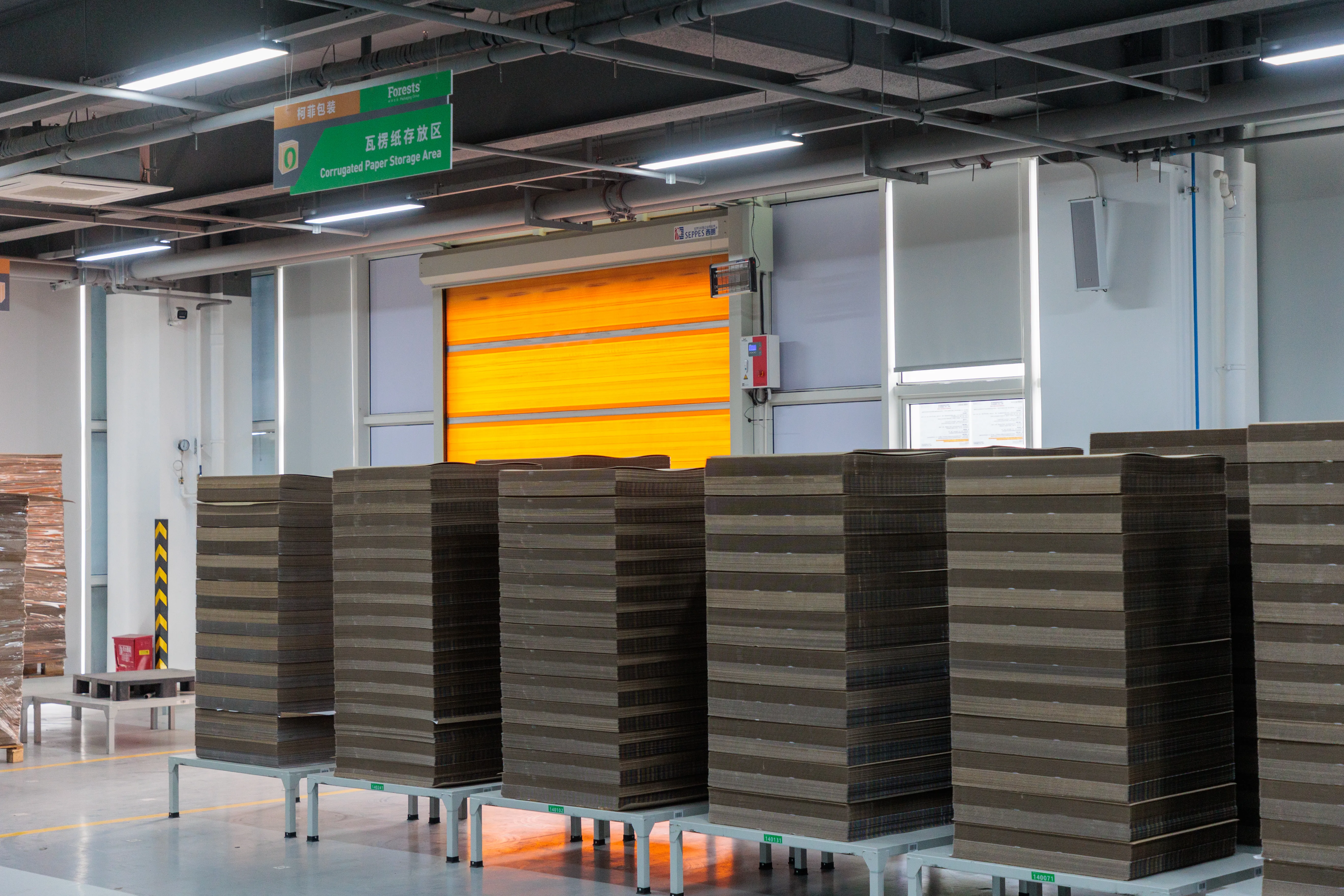
The rapid expansion of global e-commerce continues to reshape packaging requirements toward logistics efficiency and cost optimization.
Unlike traditional retail packaging, e-commerce packaging must perform across the entire supply chain—from warehouse handling to last-mile delivery.
Key drivers behind this shift include:
Rising Shipping Costs
Rising global shipping costs, pushing brands to reduce dimensional weight and material waste
Return Pressure
High return rates in e-commerce, requiring stronger transit protection
Automation Needs
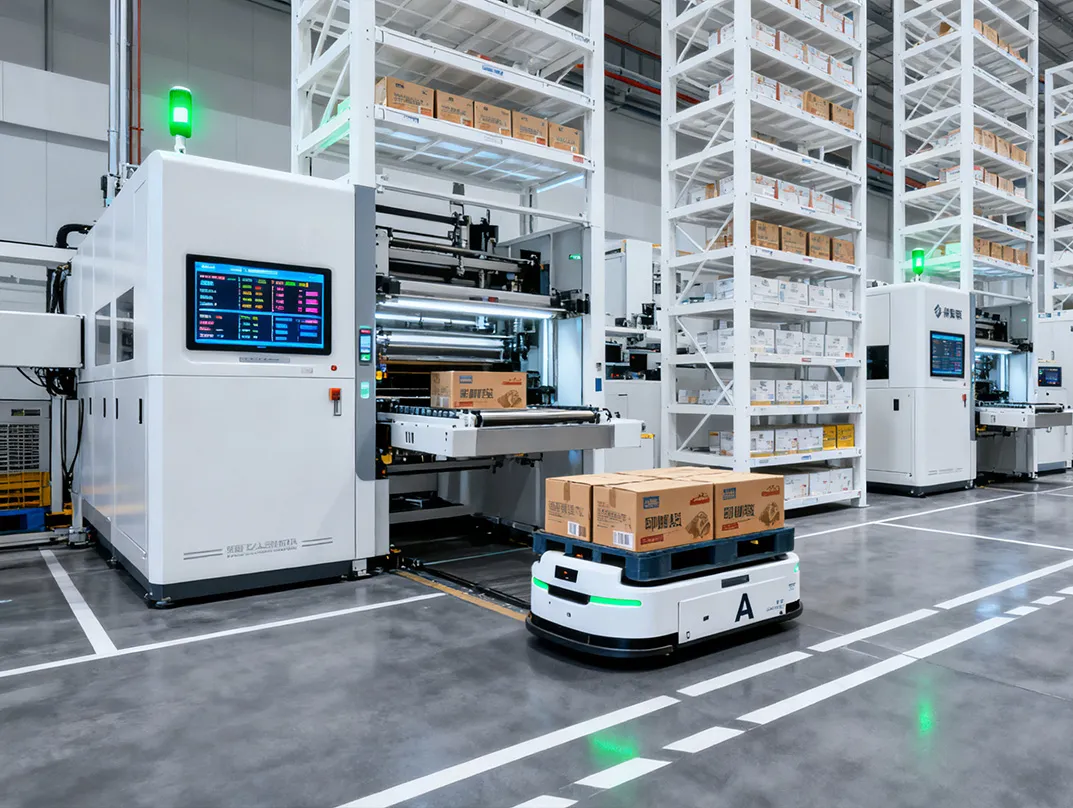
Automation in fulfillment centers, demanding standardized and stackable packaging formats
In this context, packaging is increasingly treated as part of the logistics optimization system rather than a branding-only asset.
Corrugated packaging remains the dominant solution due to its:
- Structural durability for long-distance transportation
- High recyclability across global markets
- Flexibility for right-sizing and structural customization
Common applications include:
- Right-sized corrugated mailer boxes
- E-commerce shipping cartons
- Protective packaging inserts for fragile goods
4. Packaging Compliance Is Influencing Packaging Design
In 2026, packaging compliance is one of the strongest forces shaping global packaging trends 2026. Regulatory frameworks such as PPWR in Europe and EPR systems worldwide are significantly influencing packaging design, material selection, and production decisions.
These packaging regulations are pushing brands toward recyclable, reusable, and material-efficient packaging systems. As a result, sustainable packaging trends are increasingly driven by legal requirements rather than optional sustainability initiatives.
Compliance requirements now affect every stage of packaging development—from structural design and material sourcing to labeling and lifecycle reporting. This is transforming how companies approach custom paper packaging at scale.
Key Packaging Compliance Areas in 2026
- Packaging recyclability requirements under PPWR regulations
- Extended Producer Responsibility (EPR) compliance frameworks
- Material reduction and lightweight packaging mandates
- Recycled content requirements in sustainable packaging
- Environmental labeling and reporting obligations
- Cross-border packaging compliance for global brands
Brands that proactively adopt compliance-ready packaging design are better positioned to avoid redesign costs and maintain access to international markets.
Packaging Compliance | PPWR | EPR | Sustainable Packaging Regulations
5. Paperization Continues to Replace Plastic Packaging
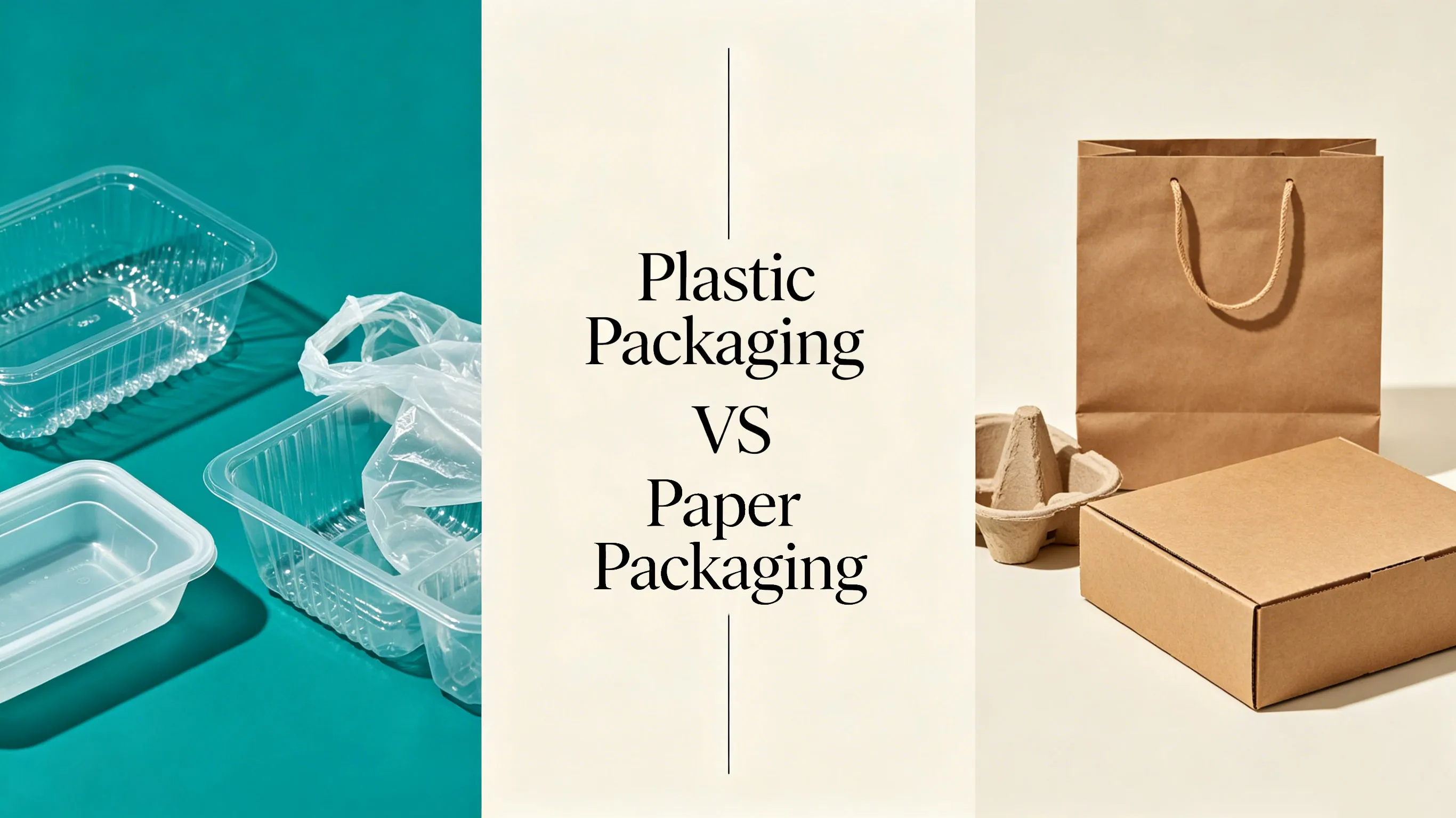
One of the most significant packaging trends in 2026 is paperization—the ongoing transition from plastic packaging to fiber-based alternatives.
Brands across retail, cosmetics, electronics, and e-commerce sectors are replacing plastic components with recyclable paper materials.
Common transitions include:
Paper mailers replacing plastic shipping bags
Molded fiber trays replacing plastic inserts
Corrugated packaging replacing plastic outer packaging
Paper-based retail packaging replacing mixed-material formats
6. Smart Packaging Creates New Customer Engagement Opportunities
Smart packaging is becoming increasingly practical and cost-efficient as digital integration becomes standard across global supply chains.
By embedding digital touchpoints into packaging, brands can extend functionality beyond physical protection.
This shift is driven by:
- Increasing demand for product transparency and traceability
- Growth of direct-to-consumer (DTC) brand models
- Need for post-purchase customer engagement
- Lower cost of QR-based and NFC technologies
Smart packaging is now widely used to support:
Product authentication and anti-counterfeiting
Sustainability storytelling and material transparency
Digital instruction manuals and product support
Marketing campaigns and loyalty programs
As a result, packaging is evolving from a static physical asset into a digital communication channel between brands and consumers.
As recycling infrastructure improves globally, paperization is expected to accelerate further in the coming years.
Why Brands Choose Custom Paper Packaging
Custom paper packaging is mainly adopted for three reasons:
Sustainability: Supports recyclability and regulatory compliance
Brand presentation: Enhances visual and unboxing experience
Operational efficiency: Reduces material waste and logistics complexity
Across formats such as corrugated boxes, rigid packaging, and paper bags, paper-based solutions remain one of the most scalable options in global packaging supply chains.
How Global Brands Are Adapting Packaging in 2026
Beauty & Cosmetics
Plastic inserts are being replaced with molded fiber to improve recyclability without compromising presentation.
E-commerce
Right-sized corrugated boxes are increasingly used to reduce shipping costs and packaging waste.
Retail & Lifestyle
Brands are investing in rigid boxes and minimalist structures to strengthen shelf presence and brand perception.
Across industries, packaging is shifting from a functional necessity to a strategic brand and logistics asset, driven by sustainability, cost pressure, and consumer experience expectations.
FAQ
What are the main packaging trends in 2026?
Sustainable paper packaging, compliance-driven design, paperization, e-commerce optimization, premium packaging, and smart packaging.
Why is paper packaging growing?
Because it offers recyclability, regulatory alignment, and strong acceptance from retailers and consumers.
What is paperization in packaging?
The replacement of plastic packaging with fiber-based materials such as paper and molded fiber.
How does PPWR affect packaging?
It introduces stricter requirements on recyclability, recycled content, and packaging waste reduction in Europe.
Is paper packaging suitable for e-commerce?
Yes, corrugated packaging is widely used for shipping and protection due to its strength and recyclability.
Top Packaging Trends in 2026
As sustainability regulations tighten and e-commerce continues to expand worldwide, packaging is becoming a strategic business decision rather than a simple protective solution. In 2026, global brands are increasingly prioritizing sustainable paper packaging, recyclable materials, and compliance-ready packaging systems to meet both environmental requirements and customer expectations. From custom corrugated boxes and premium rigid packaging to eco-friendly paper bags, paper-based solutions are rapidly replacing traditional plastic packaging across multiple industries.
This article explores the key packaging trends shaping 2026 and how businesses can adapt through innovative and sustainable paper packaging strategies.
Key Packaging Directions in 2026
Core packaging shifts shaping global supply chains in 2026.
Sustainable Paper-Based Solutions
Driven by recyclability requirements and global material reduction goals, paper-based packaging continues replacing plastic alternatives.
Premium Brand Packaging
Packaging is increasingly used to enhance perceived product value and improve unboxing experience in competitive markets.
E-commerce Optimized Packaging
Logistics efficiency and cost control are becoming critical as global online retail expands rapidly.
Compliance-Driven Design
Regulations now directly influence material selection, recyclability standards, and packaging structure design.
Lightweight & Paperization Shift
Brands are reducing plastic usage and transitioning toward fiber-based alternatives across categories.
1. Sustainable Paper Packaging Becomes the New Industry Standard
Sustainable paper packaging is no longer a niche option—it is rapidly becoming a baseline requirement across global supply chains in 2026.
This shift is being driven by three major forces:
- Regulatory pressure: Policies such as the EU PPWR and EPR systems are forcing brands to redesign packaging for recyclability and material reduction
- Retailer requirements: Global retailers and e-commerce platforms are increasingly restricting non-recyclable packaging formats
- Consumer behavior: End customers now actively prefer recyclable and plastic-free packaging, influencing brand perception and repeat purchase behavior
As a result, the packaging industry is moving from “material selection based on cost” to “material selection based on compliance and lifecycle performance.”
For brands, this means packaging decisions are no longer a downstream procurement task—they are now part of brand strategy and regulatory risk management.
👉 This is why corrugated boxes, kraft packaging, and molded fiber solutions are replacing plastic-heavy formats across multiple industries.
2. Premium Packaging Enhances Brand Experience
While sustainability is a key requirement, premium packaging has become a strategic branding tool rather than a visual enhancement alone.
In 2026, brands are using packaging not only to protect products, but also to communicate brand positioning, perceived value, and customer experience quality.
This shift is driven by:
- Intensifying competition in retail and e-commerce, where first impressions strongly influence conversion rates
- Rising consumer expectations for unboxing experiences, especially in cosmetics, fashion, and luxury goods
- Brand differentiation pressure, as product functionality alone is no longer enough in saturated markets
Common premium packaging techniques include:
These enhancements improve perceived value and create memorable unboxing experiences that strengthen brand loyalty.
3. E-commerce Packaging Prioritizes Efficiency and Protection
The rapid expansion of global e-commerce continues to reshape packaging requirements toward logistics efficiency and cost optimization.
Unlike traditional retail packaging, e-commerce packaging must perform across the entire supply chain—from warehouse handling to last-mile delivery.
Key drivers behind this shift include:
Rising Shipping Costs
Rising global shipping costs, pushing brands to reduce dimensional weight and material waste
Return Pressure
High return rates in e-commerce, requiring stronger transit protection
Automation Needs
Automation in fulfillment centers, demanding standardized and stackable packaging formats
In this context, packaging is increasingly treated as part of the logistics optimization system rather than a branding-only asset.
Corrugated packaging remains the dominant solution due to its:
- Structural durability for long-distance transportation
- High recyclability across global markets
- Flexibility for right-sizing and structural customization
Common applications include:
- Right-sized corrugated mailer boxes
- E-commerce shipping cartons
- Protective packaging inserts for fragile goods
4. Packaging Compliance Is Influencing Packaging Design
In 2026, packaging compliance is one of the strongest forces shaping global packaging trends 2026. Regulatory frameworks such as PPWR in Europe and EPR systems worldwide are significantly influencing packaging design, material selection, and production decisions.
These packaging regulations are pushing brands toward recyclable, reusable, and material-efficient packaging systems. As a result, sustainable packaging trends are increasingly driven by legal requirements rather than optional sustainability initiatives.
Compliance requirements now affect every stage of packaging development—from structural design and material sourcing to labeling and lifecycle reporting. This is transforming how companies approach custom paper packaging at scale.
Key Packaging Compliance Areas in 2026
- Packaging recyclability requirements under PPWR regulations
- Extended Producer Responsibility (EPR) compliance frameworks
- Material reduction and lightweight packaging mandates
- Recycled content requirements in sustainable packaging
- Environmental labeling and reporting obligations
- Cross-border packaging compliance for global brands
Brands that proactively adopt compliance-ready packaging design are better positioned to avoid redesign costs and maintain access to international markets.
Packaging Compliance | PPWR | EPR | Sustainable Packaging Regulations
5. Paperization Continues to Replace Plastic Packaging
One of the most significant packaging trends in 2026 is paperization—the ongoing transition from plastic packaging to fiber-based alternatives.
Brands across retail, cosmetics, electronics, and e-commerce sectors are replacing plastic components with recyclable paper materials.
Common transitions include:
Paper mailers replacing plastic shipping bags
Molded fiber trays replacing plastic inserts
Corrugated packaging replacing plastic outer packaging
Paper-based retail packaging replacing mixed-material formats
6. Smart Packaging Creates New Customer Engagement Opportunities
Smart packaging is becoming increasingly practical and cost-efficient as digital integration becomes standard across global supply chains.
By embedding digital touchpoints into packaging, brands can extend functionality beyond physical protection.
This shift is driven by:
- Increasing demand for product transparency and traceability
- Growth of direct-to-consumer (DTC) brand models
- Need for post-purchase customer engagement
- Lower cost of QR-based and NFC technologies
Smart packaging is now widely used to support:
Product authentication and anti-counterfeiting
Sustainability storytelling and material transparency
Digital instruction manuals and product support
Marketing campaigns and loyalty programs
As a result, packaging is evolving from a static physical asset into a digital communication channel between brands and consumers.
As recycling infrastructure improves globally, paperization is expected to accelerate further in the coming years.
Why Brands Choose Custom Paper Packaging
Custom paper packaging is mainly adopted for three reasons:
Sustainability: Supports recyclability and regulatory compliance
Brand presentation: Enhances visual and unboxing experience
Operational efficiency: Reduces material waste and logistics complexity
Across formats such as corrugated boxes, rigid packaging, and paper bags, paper-based solutions remain one of the most scalable options in global packaging supply chains.
How Global Brands Are Adapting Packaging in 2026
Beauty & Cosmetics
Plastic inserts are being replaced with molded fiber to improve recyclability without compromising presentation.
E-commerce
Right-sized corrugated boxes are increasingly used to reduce shipping costs and packaging waste.
Retail & Lifestyle
Brands are investing in rigid boxes and minimalist structures to strengthen shelf presence and brand perception.
Across industries, packaging is shifting from a functional necessity to a strategic brand and logistics asset, driven by sustainability, cost pressure, and consumer experience expectations.
FAQ
What are the main packaging trends in 2026?
Sustainable paper packaging, compliance-driven design, paperization, e-commerce optimization, premium packaging, and smart packaging.
Why is paper packaging growing?
Because it offers recyclability, regulatory alignment, and strong acceptance from retailers and consumers.
What is paperization in packaging?
The replacement of plastic packaging with fiber-based materials such as paper and molded fiber.
How does PPWR affect packaging?
It introduces stricter requirements on recyclability, recycled content, and packaging waste reduction in Europe.
Is paper packaging suitable for e-commerce?
Yes, corrugated packaging is widely used for shipping and protection due to its strength and recyclability.
Home
Design Your Packaging
Packaging Product
About Us
Contact Us


Message