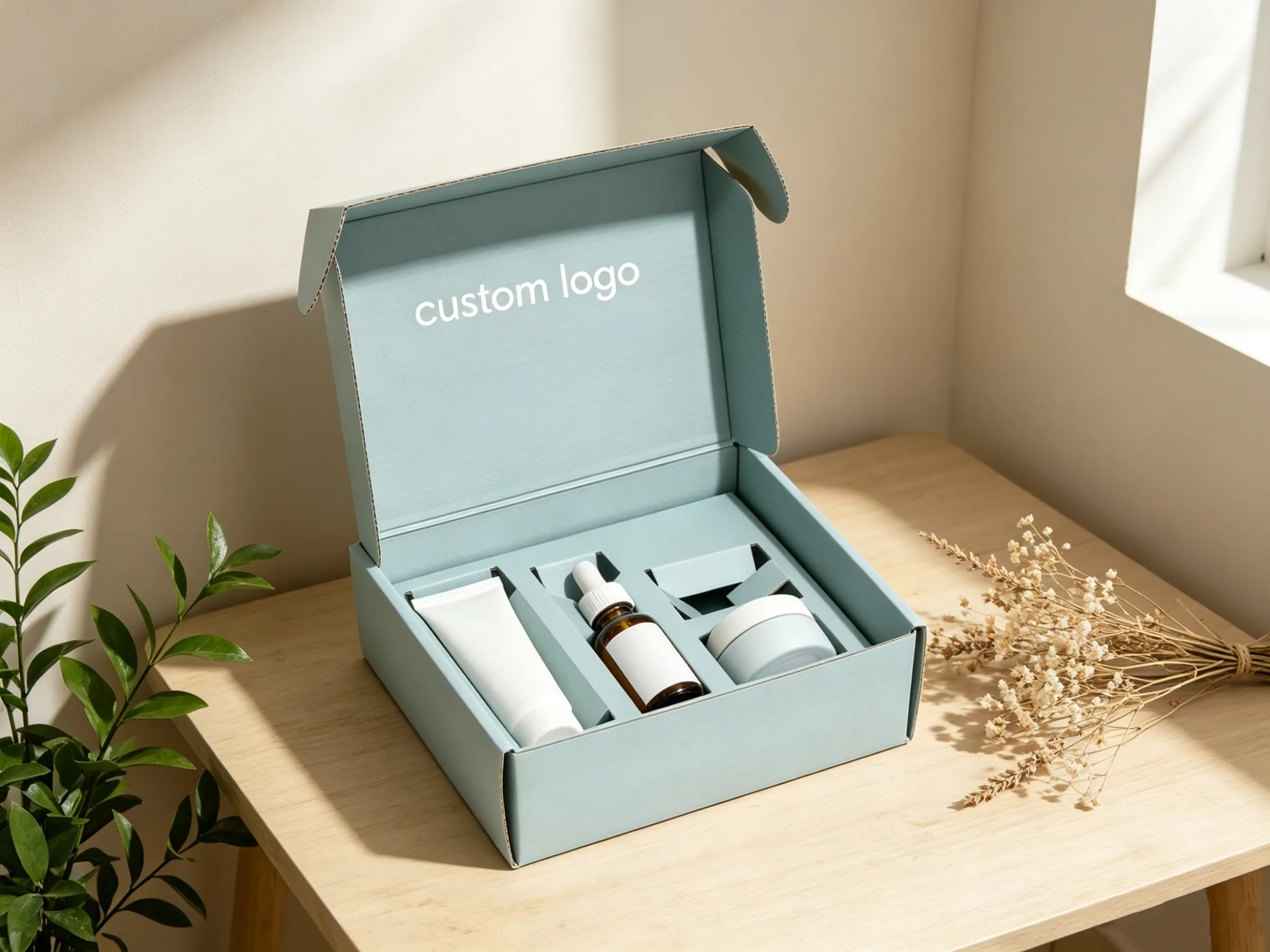
Custom Rigid Boxes vs Folding Cartons: Which is Right for Your Brand?
Choosing between rigid boxes and folding cartons affects branding, shipping costs, storage efficiency, and customer experience. In this guide, Forests Packaging Group compares both packaging formats to help brands select the best solution for their products and supply chains.
What Is a Rigid Box?
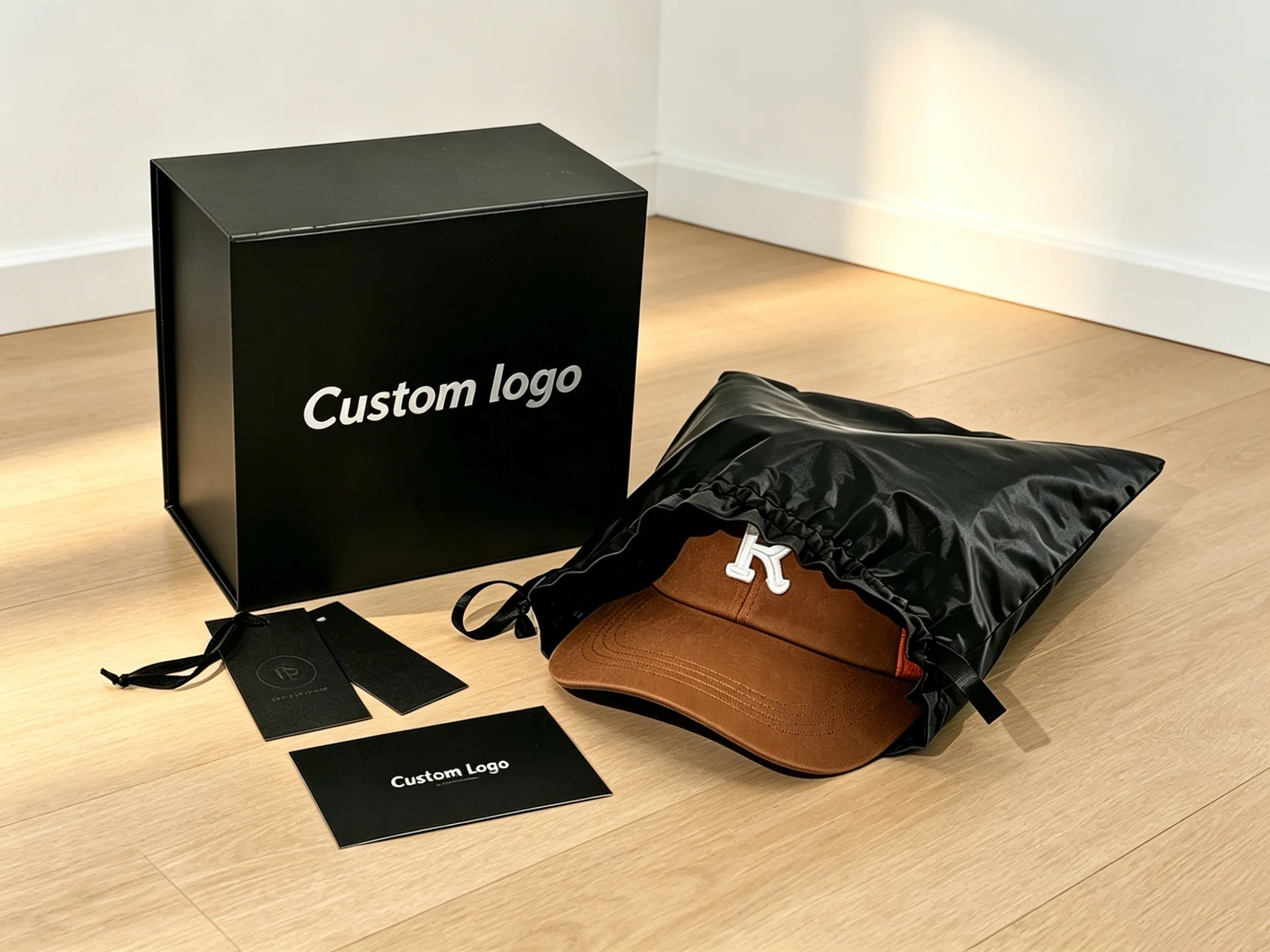
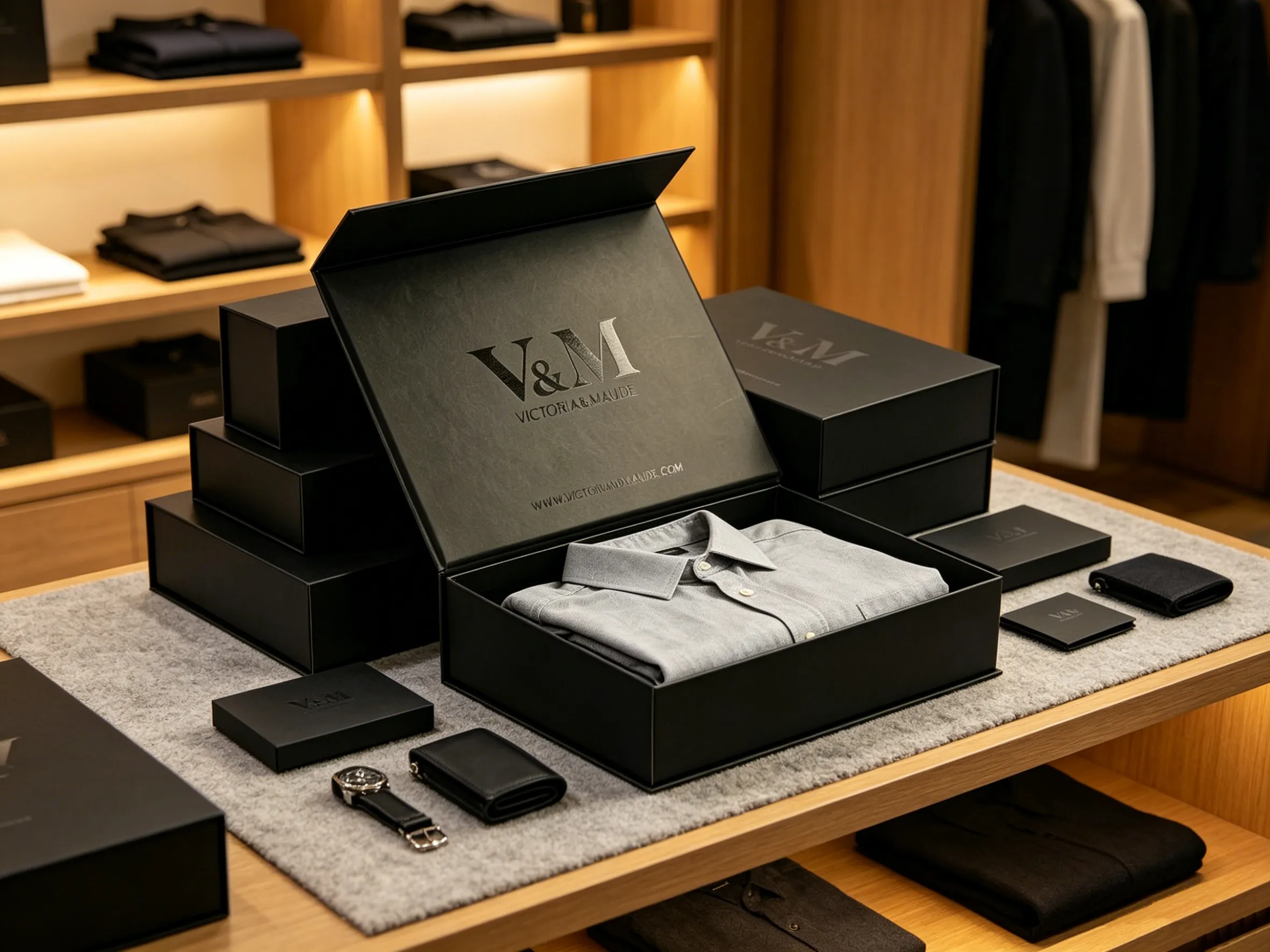
In modern packaging supply chains, collapsible rigid boxes have become increasingly common due to their ability to reduce shipping volume and improve storage efficiency. However, traditional pre-assembled rigid boxes remain popular in luxury retail and premium in-store packaging, where structural strength and presentation are critical. Both structures serve different supply chain needs, and the choice depends on logistics strategy, product positioning, and distribution model.
Because of their sturdy construction and premium appearance, rigid boxes are commonly used for:
Luxury cosmetics Jewelry packaging Electronics Watches Gift packaging Subscription boxes High-value retail
Many brands choose rigid boxes because they create a stronger first impression and enhance the overall customer experience.
At Forests Packaging Group, rigid boxes are commonly selected by brands launching premium products or strengthening luxury positioning.
What Is a Folding Carton?
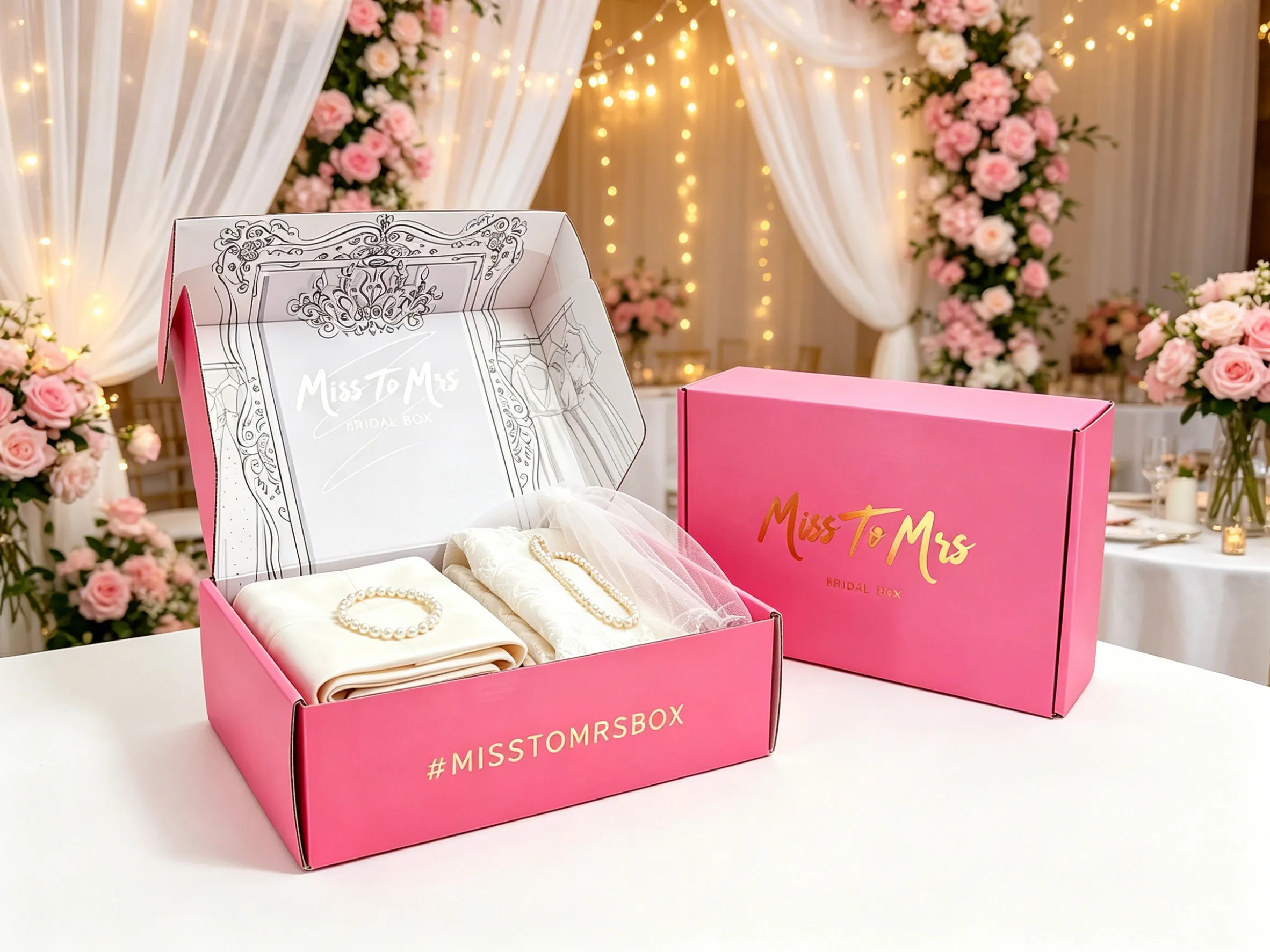
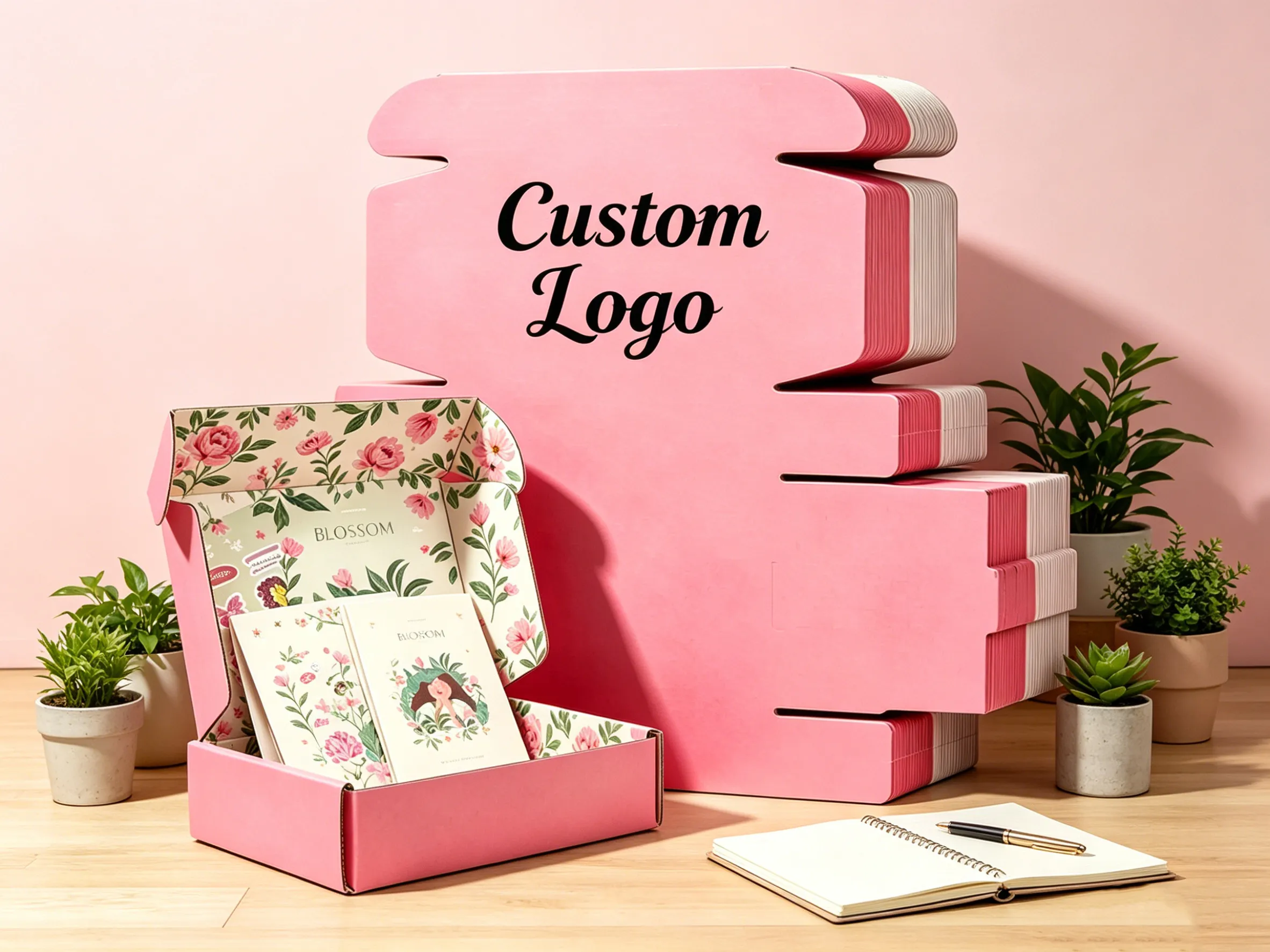
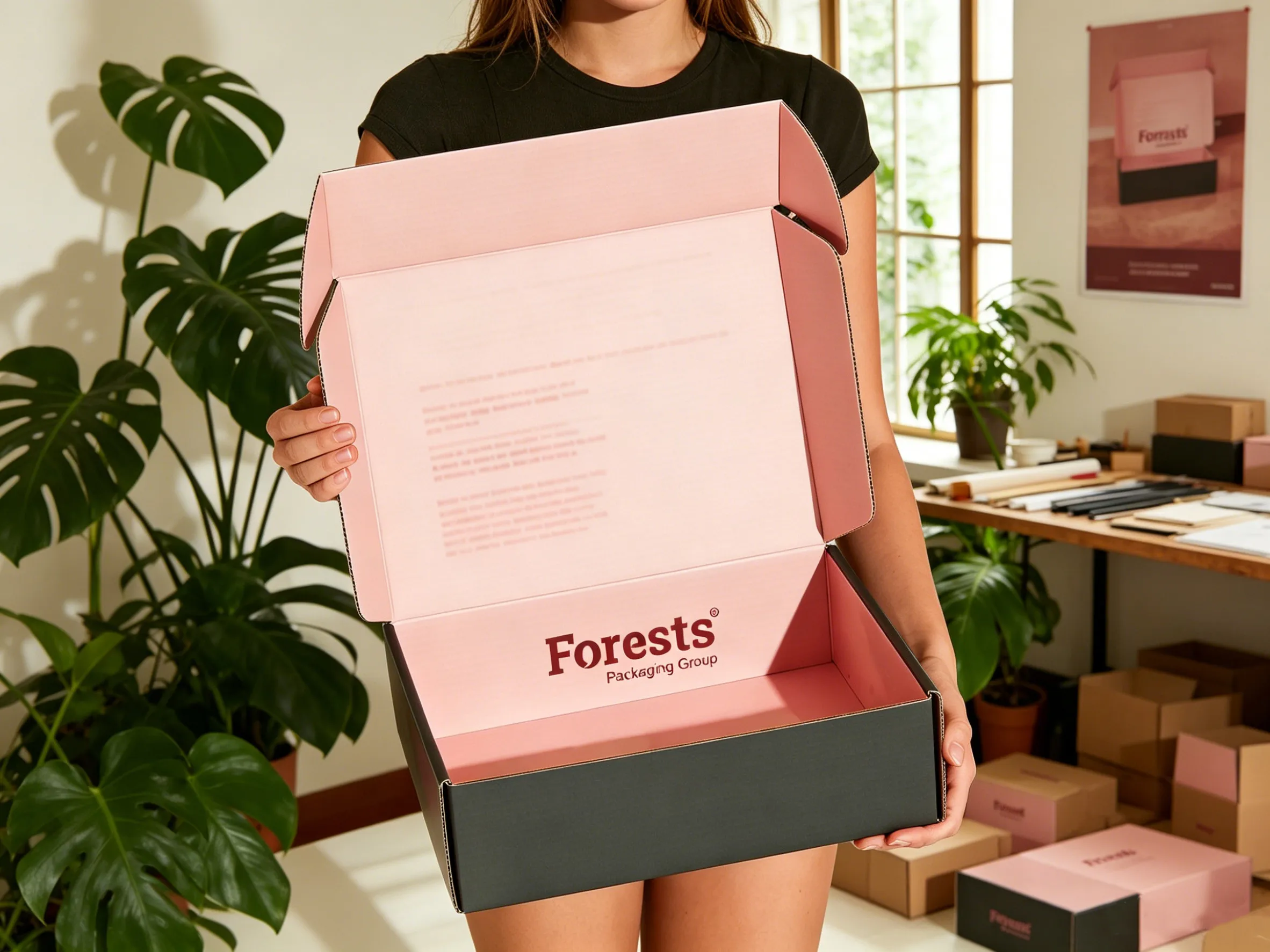
A folding carton is a paper packaging box made from paperboard that can be folded flat during shipping and storage.
Folding cartons are one of the most widely used packaging formats across industries, including:
Cosmetics Personal care Food packaging Electronics accessories Healthcare Retail packaging Consumer goods
Modern custom folding cartons combine premium appearance with strong cost and logistics advantages.
Why Are Folding Cartons Becoming More Popular?
🚚 Lower Transportation Costs
One of the biggest advantages of folding cartons is their ability to ship flat. Because cartons occupy less space before assembly, brands can fit significantly more units into a shipping container.
🏭 Easier Warehousing
Flat-packed cartons require less storage space, making inventory management more efficient for growing product lines.
🌱 More Sustainable Packaging Options
Folding cartons typically use less material and improve transportation efficiency, helping brands reduce packaging waste and carbon emissions.
✨ High-Quality Printing & Finishing
Modern folding cartons support foil stamping, spot UV, soft-touch lamination, embossing, and specialty papers. In many retail applications, consumers may not immediately distinguish between a premium folding carton and a rigid box.
Can Folding Cartons Replace Rigid Boxes?
This depends on your product and business goals.
In many cases, folding cartons can successfully replace rigid boxes.
This is especially true when brands prioritize:
Cost reduction Freight optimization Sustainability goals Faster production High-volume distribution
For luxury products where packaging strongly influences perceived value, rigid boxes remain the preferred choice.
Many brands choose a hybrid packaging strategy.
When Should You Choose Corrugated Packaging?
In many packaging projects, rigid boxes and folding cartons are only part of the overall solution.
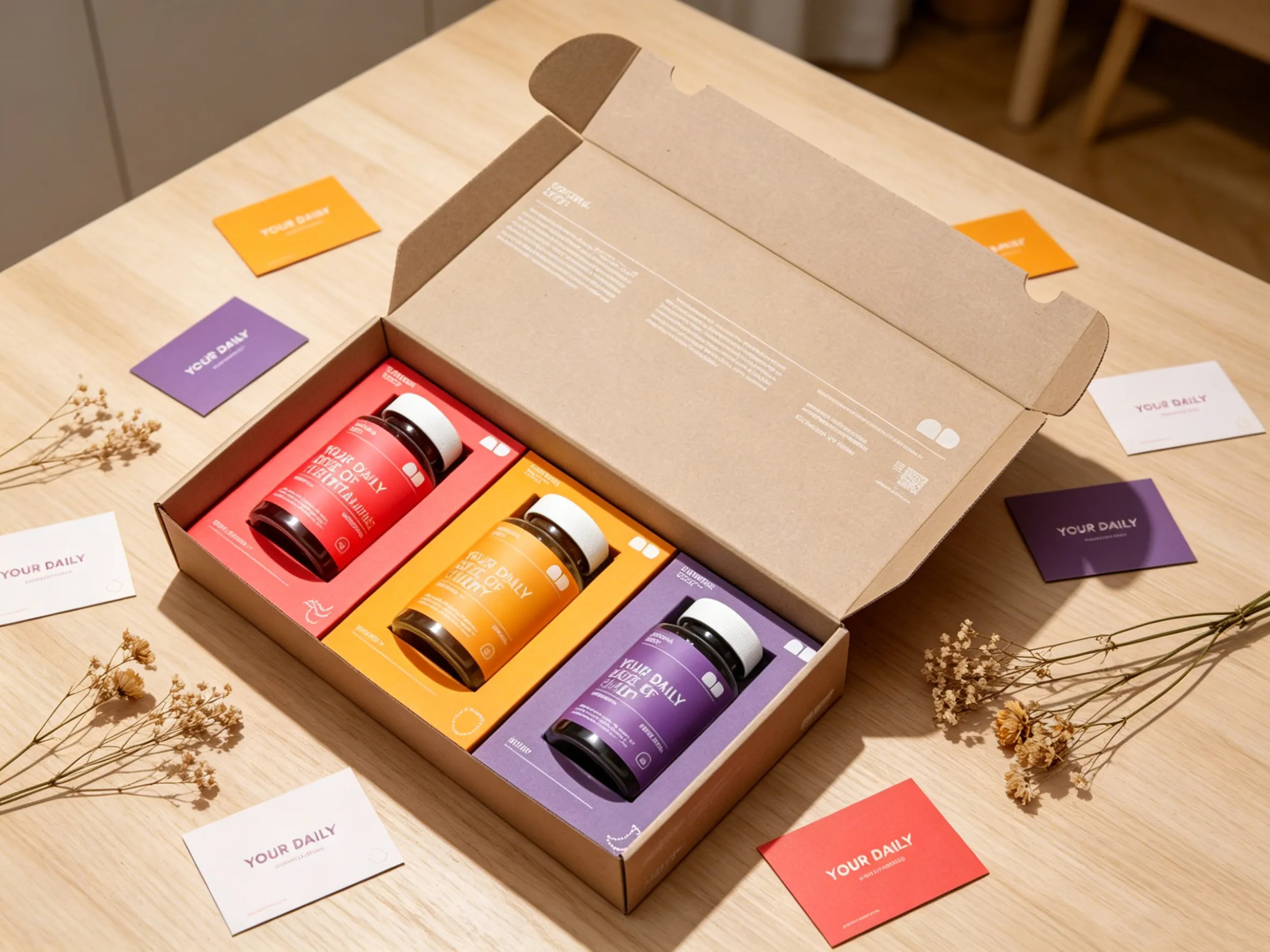
Most customers also use corrugated packaging as the outer protective layer during transportation and e-commerce fulfillment.
E-commerce shipping cartons Bulk transportation packaging Warehouse storage protection Multi-product shipment orders Subscription box outer packaging
At Forests Packaging Group, we often help customers design a complete packaging system rather than a single box type.
Premium Layer
Rigid box for premium presentation
Retail Layer
Folding carton for branding & shelf display
Logistics Layer
Corrugated box for shipping protection
Rigid Boxes vs Folding Cartons: Side-by-Side Comparison
| Factor |
Rigid Boxes |
Folding Cartons |
| Product Presentation |
Excellent |
Good to Excellent |
| Brand Perception |
Premium / Luxury |
Mid to Premium |
| Structural Strength |
Very High |
Medium |
| Shipping Efficiency |
Low (non-flat) |
High (flat-packed) |
| Cost Efficiency |
Lower |
Higher |
| Best Use Case |
Luxury / Gift / Premium retail |
Mass retail / FMCG / e-commerce |
Which Packaging Option Do We Typically Recommend?
Our general recommendation is based on product value, distribution model, and packaging role in the supply chain:
Luxury cosmetics & premium gift sets → Rigid boxes (brand experience priority)
High-end electronics → Rigid boxes + corrugated protection (dual-layer system)
Personal care & FMCG → Folding cartons (cost + scalability priority)
Subscription boxes → Folding cartons + corrugated packaging (fulfillment efficiency)
High-volume retail → Folding cartons (logistics optimization)
E-commerce fulfillment → Folding cartons + corrugated packaging (shipping resilience)
Start Your Packaging Project
Choosing the right packaging structure is a supply chain decision as much as a design decision. It impacts cost, logistics efficiency, and how your product is perceived in the market.
Not sure which structure fits your product?
- ✓ Lower total packaging cost
- ✓ Optimized shipping efficiency
- ✓ Improved shelf impact
- ✓ Better warehouse utilization
- ✓ Scalable packaging strategy
- ✓ Stronger customer experience
Our team helps brands evaluate packaging structures, materials, and logistics models to build solutions aligned with both marketing and supply chain goals.
Get a tailored packaging recommendation based on your product type, order volume, and distribution model.
Choosing between rigid boxes and folding cartons affects branding, shipping costs, storage efficiency, and customer experience. In this guide, Forests Packaging Group compares both packaging formats to help brands select the best solution for their products and supply chains.
What Is a Rigid Box?
In modern packaging supply chains, collapsible rigid boxes have become increasingly common due to their ability to reduce shipping volume and improve storage efficiency. However, traditional pre-assembled rigid boxes remain popular in luxury retail and premium in-store packaging, where structural strength and presentation are critical. Both structures serve different supply chain needs, and the choice depends on logistics strategy, product positioning, and distribution model.
Because of their sturdy construction and premium appearance, rigid boxes are commonly used for:
Luxury cosmetics Jewelry packaging Electronics Watches Gift packaging Subscription boxes High-value retail
Many brands choose rigid boxes because they create a stronger first impression and enhance the overall customer experience.
At Forests Packaging Group, rigid boxes are commonly selected by brands launching premium products or strengthening luxury positioning.
What Is a Folding Carton?
A folding carton is a paper packaging box made from paperboard that can be folded flat during shipping and storage.
Folding cartons are one of the most widely used packaging formats across industries, including:
Cosmetics Personal care Food packaging Electronics accessories Healthcare Retail packaging Consumer goods
Modern custom folding cartons combine premium appearance with strong cost and logistics advantages.
Why Are Folding Cartons Becoming More Popular?
🚚 Lower Transportation Costs
One of the biggest advantages of folding cartons is their ability to ship flat. Because cartons occupy less space before assembly, brands can fit significantly more units into a shipping container.
🏭 Easier Warehousing
Flat-packed cartons require less storage space, making inventory management more efficient for growing product lines.
🌱 More Sustainable Packaging Options
Folding cartons typically use less material and improve transportation efficiency, helping brands reduce packaging waste and carbon emissions.
✨ High-Quality Printing & Finishing
Modern folding cartons support foil stamping, spot UV, soft-touch lamination, embossing, and specialty papers. In many retail applications, consumers may not immediately distinguish between a premium folding carton and a rigid box.
Can Folding Cartons Replace Rigid Boxes?
This depends on your product and business goals.
In many cases, folding cartons can successfully replace rigid boxes.
This is especially true when brands prioritize:
Cost reduction Freight optimization Sustainability goals Faster production High-volume distribution
For luxury products where packaging strongly influences perceived value, rigid boxes remain the preferred choice.
Many brands choose a hybrid packaging strategy.
When Should You Choose Corrugated Packaging?
In many packaging projects, rigid boxes and folding cartons are only part of the overall solution.
Most customers also use corrugated packaging as the outer protective layer during transportation and e-commerce fulfillment.
E-commerce shipping cartons Bulk transportation packaging Warehouse storage protection Multi-product shipment orders Subscription box outer packaging
At Forests Packaging Group, we often help customers design a complete packaging system rather than a single box type.
Premium Layer
Rigid box for premium presentation
Retail Layer
Folding carton for branding & shelf display
Logistics Layer
Corrugated box for shipping protection
Rigid Boxes vs Folding Cartons: Side-by-Side Comparison
| Factor |
Rigid Boxes |
Folding Cartons |
| Product Presentation |
Excellent |
Good to Excellent |
| Brand Perception |
Premium / Luxury |
Mid to Premium |
| Structural Strength |
Very High |
Medium |
| Shipping Efficiency |
Low (non-flat) |
High (flat-packed) |
| Cost Efficiency |
Lower |
Higher |
| Best Use Case |
Luxury / Gift / Premium retail |
Mass retail / FMCG / e-commerce |
Which Packaging Option Do We Typically Recommend?
Our general recommendation is based on product value, distribution model, and packaging role in the supply chain:
Luxury cosmetics & premium gift sets → Rigid boxes (brand experience priority)
High-end electronics → Rigid boxes + corrugated protection (dual-layer system)
Personal care & FMCG → Folding cartons (cost + scalability priority)
Subscription boxes → Folding cartons + corrugated packaging (fulfillment efficiency)
High-volume retail → Folding cartons (logistics optimization)
E-commerce fulfillment → Folding cartons + corrugated packaging (shipping resilience)
Start Your Packaging Project
Choosing the right packaging structure is a supply chain decision as much as a design decision. It impacts cost, logistics efficiency, and how your product is perceived in the market.
Not sure which structure fits your product?
- ✓ Lower total packaging cost
- ✓ Optimized shipping efficiency
- ✓ Improved shelf impact
- ✓ Better warehouse utilization
- ✓ Scalable packaging strategy
- ✓ Stronger customer experience
Our team helps brands evaluate packaging structures, materials, and logistics models to build solutions aligned with both marketing and supply chain goals.
Get a tailored packaging recommendation based on your product type, order volume, and distribution model.